































How Fall Foliage Transforms the U.S. National Arboretum Near College Park
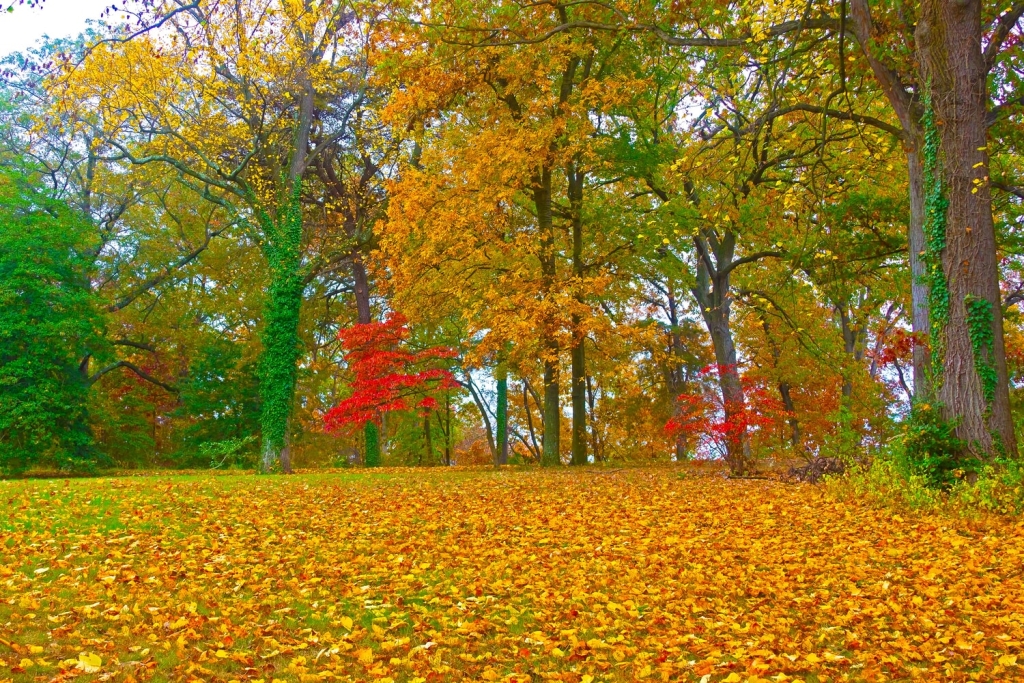
Most visitors think of the U.S. National Arboretum as a spring destination, drawn in by the famous azalea blooms that cover the hillsides each April. But autumn quietly delivers the Arboretum’s best-kept secret. When the maples, dogwoods, and sourwoods across its 446 acres shift into deep reds, burnt oranges, and golden yellows, the U.S. National Arboretum becomes an entirely different place, one that rewards visitors willing to trade the crowded spring paths for a quieter, more dramatic fall walk.
A Familiar Landmark, Reimagined by the Season
Many guests already know the United States National Arboretum as a garden space or a stop on a DC sightseeing list, home to the iconic Capitol Columns and the National Bonsai & Penjing Museum. In fall, though, the same paths take on a completely different character.
The Gotelli Conifer Collection stands out even more sharply against the surrounding color, its evergreens framed by blazing hardwoods instead of blending into a uniform green backdrop. Fern Valley’s winding trail turns into a tunnel of amber and crimson, and the open meadows near the Asian Collections catch the low autumn light in a way that summer visitors rarely see.
Quieter Paths, Bigger Payoff
Fall also brings something spring can’t: space to actually enjoy it. The Arboretum’s azalea season draws heavy weekend crowds, but autumn visitors often have entire stretches of road and trail to themselves.
Because the grounds cover 9.5 miles of connected roadways, guests can drive slowly between collections, park at a quiet overlook, and wander without competing for space on narrow paths. Photographers in particular find fall mornings ideal, when mist still clings to the meadows and the Capitol Columns catch early light through a canopy of turning leaves.
Planning Around DC Arboretum Hours
Because the Arboretum operates as a research facility as well as a public garden, understanding DC Arboretum hours matters more than it might at other parks. The grounds stay open from 8 a.m. to 5 p.m. every day except Christmas, with last admittance at 4:30 p.m.
The National Bonsai & Penjing Museum keeps a shorter schedule, opening from 10 a.m. to 4 p.m. daily. Visitors should also plan their entrance carefully: the New York Avenue gate closes to incoming and outgoing traffic at 2 p.m. on weekdays, while the R Street gate stays open until 4:30 p.m. every day of the week. Arriving in the late morning gives guests the best light for photos and the most flexibility before gates start closing.
Tips for Making the Most of a Fall Visit
A few small choices make a fall trip to the Arboretum even better. Parking is free and available throughout the grounds, so guests can move between collections without worrying about meters or time limits.
Comfortable, closed-toe shoes matter here, since paths shift between paved roadway and uneven gravel as they wind through the different collections. Layers help too, since fall mornings can start cool and warm up quickly by midday.
Weekend visitors can also catch a tram tour, a relaxed way to cover more ground and take in the color without walking the full 9.5 miles of roadway in a single outing. Bringing a camera or simply leaving extra time for a slow walk turns a quick stop into a full morning outdoors.
A Short, Scenic Drive from College Park
The U.S. National Arboretum sits at 3501 New York Avenue NE in Washington, DC, roughly eight miles and just a 17-minute drive from The Hotel at the University of Maryland in College Park. That short distance makes it one of the easiest fall outings available to guests staying near campus, offering a full change of scenery without eating up an entire day.
Guests can leave after breakfast, spend two or three unhurried hours weaving through the Asian Collections and Fern Valley, and still be back in College Park in time for lunch or an afternoon on campus.
Why Fall Deserves a Visit of Its Own
Skipping the Arboretum until spring means missing one of its most photogenic and least crowded seasons. Fall foliage transforms familiar collections into something that feels genuinely new, even for visitors who’ve walked these paths before.
Between the quieter trails, the dramatic color against the evergreen collections, and the manageable DC Arboretum hours, autumn offers a version of the Arboretum that’s easy to underestimate until you’ve actually seen it. For anyone staying near campus this season, the trip couldn’t be simpler.
Book a stay at The Hotel at the University of Maryland and make the short drive to experience the U.S. National Arboretum’s fall colors for yourself.